Ninety days of growing season: cooking from a garden at 6,450 feet
Our kitchen garden gets frost in June and again in early September. Chef Nora Whitcomb on what survives, what does not, and why the menu changes every fortnight.
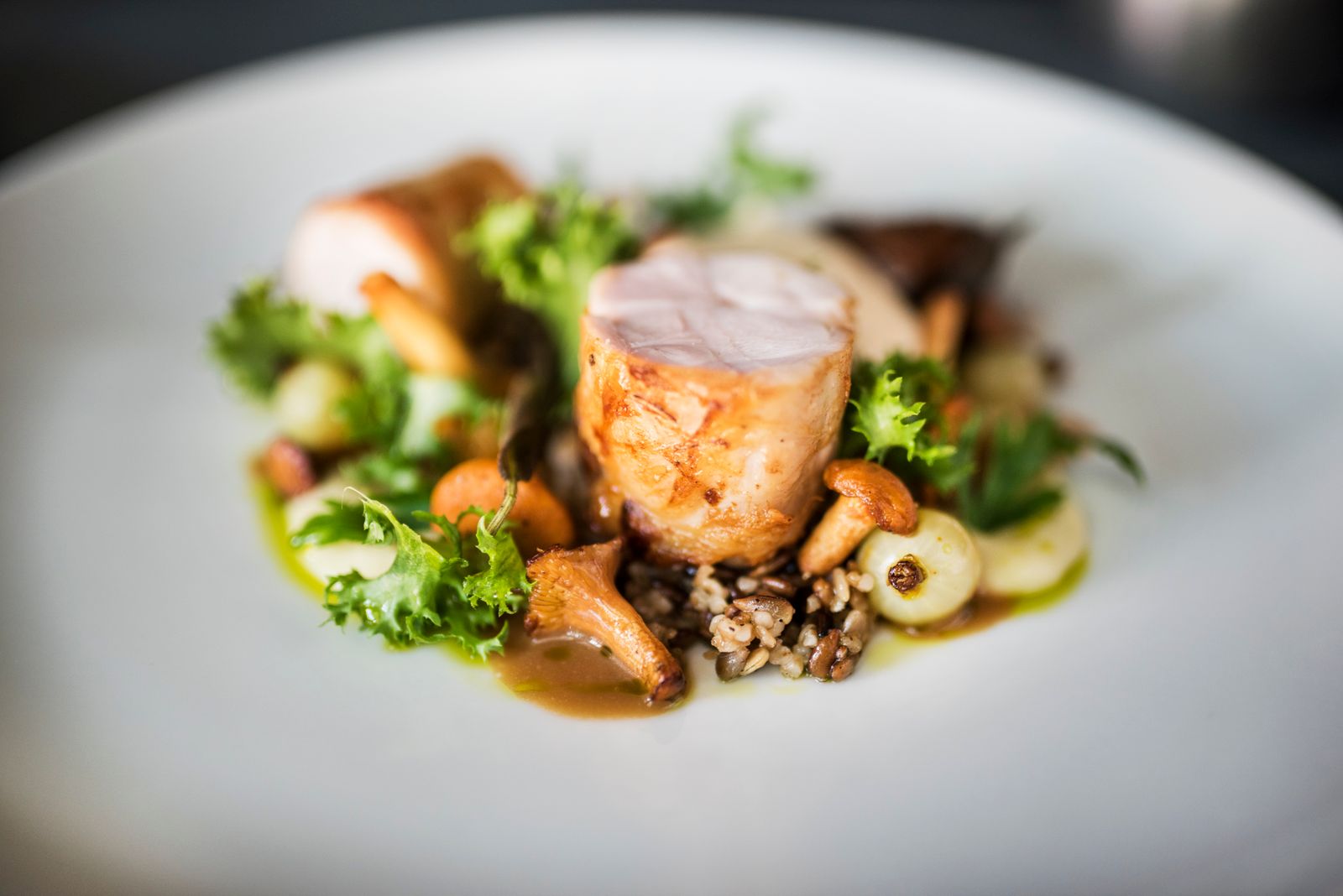
When I took this kitchen in 2018, I told Kate I wanted to grow most of our vegetables. She looked at me, looked out of the window at eight inches of June snow, and said I was welcome to try.
Eight years later we have eight raised beds, a greenhouse, a herb spiral and roughly ninety frost-free days a year. That number is the whole story of cooking in this valley, and it has made me a considerably better cook than any city kitchen did.
What ninety days means
At 6,450 feet we can get a hard frost as late as the second week of June and again in the first week of September. Some years the gap is a hundred days, some years it is seventy-five. You plan for seventy-five and are grateful for anything more.
So tomatoes go in the greenhouse or they do not happen. Peppers and aubergines are not worth the bed space. Melons are a fantasy. What thrives is everything that likes cold nights and intense high-altitude sun: brassicas, roots, peas, every kind of green, and herbs that grow twice as aromatic here as they do at sea level.
The vegetables that actually love it
- Carrots, which get sweeter when nights drop below forty, and are the reason the hearth carrots have never left the menu
- Kale and chard, which shrug off a frost and keep producing into October
- Peas and broad beans, sown the moment the ground thaws in late April
- Radishes and turnips, three crops a summer, pickled for the winter bar boards
- Potatoes, which do extraordinarily well in this soil and store all winter in the root cellar
- Herbs, especially sage, thyme and chives, all of which overwinter under snow and come back
Why the menu changes every fortnight
In a normal restaurant you write a menu and hold it for a season. Here the garden dictates. In mid-June I have greens, radishes, herbs and last autumn's potatoes from the cellar. By mid-July there are peas and the first carrots. By late August it is a flood, and half my job is finding ways to use twelve kilos of chard before it bolts.
So the menu is reprinted every two weeks and there is always a chalkboard for the things that only exist for four days. Guests who come back in different months tell me it feels like a different restaurant, which is the nicest thing anyone says to me.
What we preserve, and what we buy
September and October are spent putting the summer into jars. Pickled turnips and radishes, fermented cabbage, tomato passata from the greenhouse, and thirty kilos of huckleberries picked in August and frozen for the pies that keep us going until May.
The rest comes from people we know: beef and bison from ranches on the Idaho side, trout from Palisades, elk from a licensed supplier in Idaho Falls, flour from a mill in Logan, honey from our own hives behind the barn. Nothing on the menu travels further than it has to, not as a principle but because it simply tastes better.
Come and see it
From June to September I take sixteen guests into the garden on Thursday evenings, we pick whatever is ready, and I cook it on the outdoor hearth while everyone sits at a long table under the lights. It is my favourite four hours of the week.
It is also the fastest way to understand why a ninety-day growing season is a gift rather than a limitation. Constraint makes you pay attention. You cook what is ready, right now, and then it is gone for a year.